Previously the Biblical Archaeological Society listed 53 characters in the Tanakh (Old Testament) confirmed by archaeology. They have since added 30 individuals from the Brit Hadasha (New Testament) confirmed by archaeology and extra-biblical writings. Again, the second list is helpfully divided into five groupings reflecting the type of people discovered, including the sources and artefacts in support. The 30 New Testament figures relate to 1) religious figures, 2) Roman emperors, 3) Herodian family, 4) Roman legate and governors and 5) Independent political figures. Here is a link to their list. https://www.biblicalarchaeology.org/daily/people-cultures-in-the-bible/people-in-the-bible/new-testament-political-figures-the-evidence/
Similarly, in the previous list of 53 characters, a distinct pattern emerged since they were all kings, pharaohs, co-regents, governors, officials or high priests. This is exactly what you would expect to find considering portraits made of them, artefacts involving them, the quality of material of documents relating to them or expensive possessions they may have owned or coins or seals denoting them.
Religious Figures
Of the seven archaeologically confirmed religious figures mentioned in the New Testament, three are priests, Annas, Caiaphas and Ananias. The four other religious figures are Jesus, James (Jesus’ half-brother), John the Baptist and Gamaliel. Jesus the Messiah is attested by Jewish, Greek, Roman and even a Syrian source. John the Baptist and James are both confirmed by Flavius Josephus. Gamaliel is attested by Josephus and other Jewish sources.
Roman Emperors
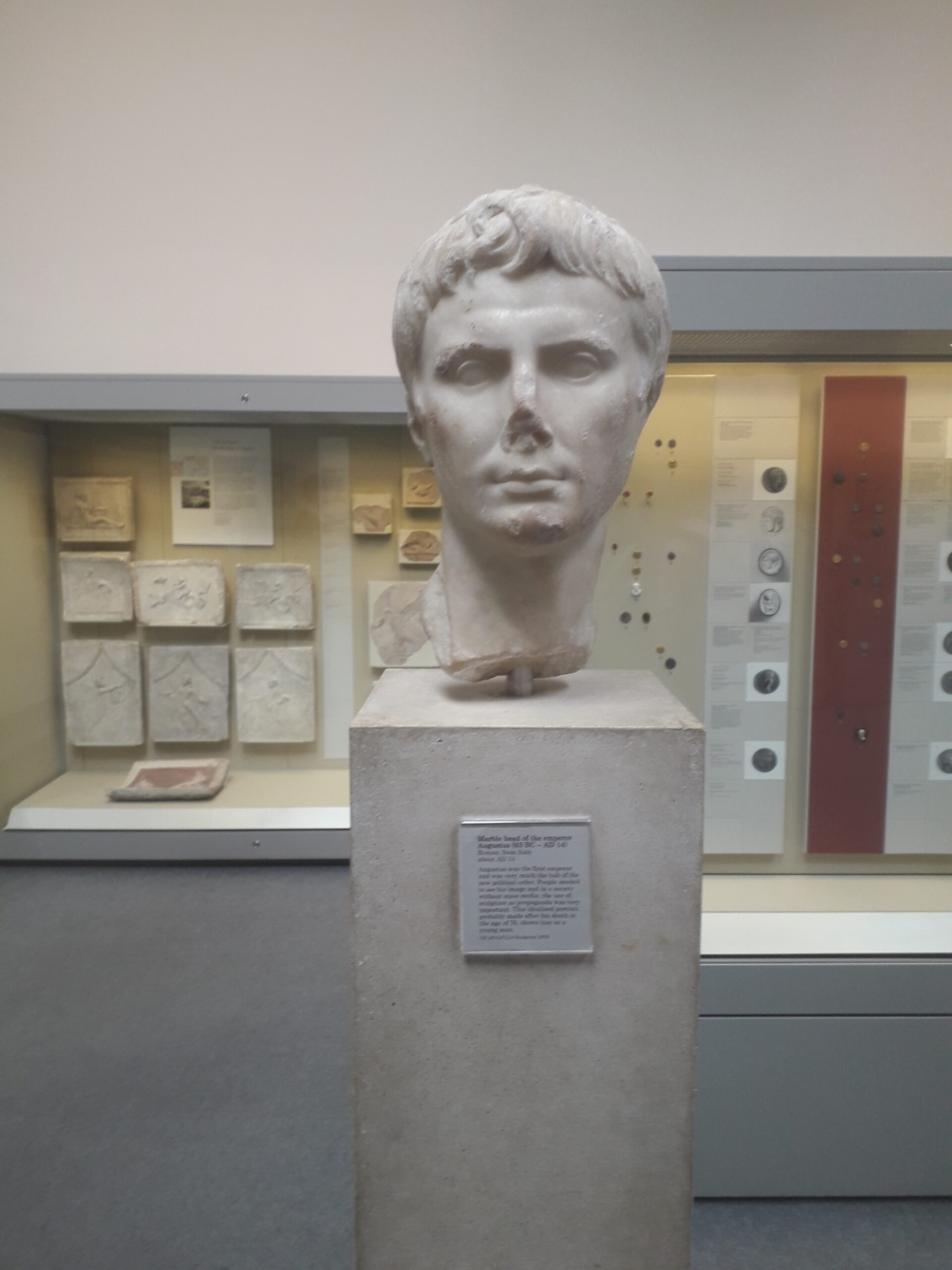
Four Roman emperors are listed and confirmed archaeologically, namely Augustus, Tiberius, Claudius and Nero. The British Museum contains marble portraits of each of them. Augustus, Tiberius and Claudius’ heads can be viewed in Room 70 of the British Museum alongside other emperors such as Vespasian and Titus involved in the destruction of Jerusalem and the temple in AD70 and also Trajan and Hadrian.
Note also, there are multiple sources that reference the above four emperors, two in particular are Tacitus and Suetonius. These two sources also point towards the historicity of Yeshua (Jesus). Tacitus mentions that Jesus had been executed by the governor of Judea, Pontius Pilate (who is also listed in the 30 New Testament characters confirmed by archaeology).[i] In Chapter V of Suetonius The Twelve Caesars, ‘Claudius’, he states that because the Jews at Rome caused disturbances at the instigation of Chrestus (Christ), he (Claudius) expelled them from the city.[ii]
The Herodian Family
No less than eleven New Testament characters in the Herodian family are included in the Biblical Archaeological Society list of 30 New Testament figures confirmed archaeologically. Since many of their names are so alike, they are difficult to commit to memory and to place in chronological order without the use of a table. Nonetheless here is a link to that list together with the respective times in which they were influential. They are all attested by Josephus and some of them have coins that relate to them. https://www.biblicalarchaeology.org/daily/people-cultures-in-the-bible/people-in-the-bible/new-testament-political-figures-the-evidence/
Roman Legate and Governors
This grouping includes five individuals and most noticeably Pontius Pilate confirmed by Josephus, Tacitus and Philo and by the Pilate Stone and coins. Notably the Pilate Stone or Pilate Inscription relating to Pontius Pilate, Prefect of Judea is part of a larger dedication to Tiberius Caesar (one of the four emperors attested by archaeology above). Note in Luke 3:1-2, there is mention of Tiberius Caesar, Pontius Pilate, Herod Antipas (tetrarch of Galilee), Philip (tetrarch of Iturea), Annas, Caiaphas and John the Baptist. So, there are seven biblical characters mentioned in two verses attested by archaeology!
Independent Political Characters
Three characters referred to in the Bible are listed, Aretas IV (2 Corinthians 11:32), the unnamed Egyptian leader who stirred up a rebellion and led four thousand assassins out into the wilderness (Acts 21:38) and Judas of Galilee (Acts 5:37) who led a rebellion against the Roman imperial legate Quirinius (who is also confirmed archaeologically in the fourth grouping or Roman legate and governors. All three are confirmed by Josephus and in addition Aretas IV is attested by inscriptions at Petra and coins.
The Implications
When the two lists are combined, there are 83 Bible characters confirmed archaeologically. Further research reveals that many biblical locations have also been confirmed archaeologically and also some biblical events. In other words, the historicity of the Bible is impeccable and it is also unique amongst ancient religious writings.
Biblical prophecy can be considered history written in advance and much of biblical history, prophecy fulfilled. Much prophecy concerning the Messiah has been fulfilled, though some are waiting for Messiah to come and others are waiting for Him to return. Read the Brit Hadasha (New Testament) and join the dots between the Tanakh (Old Testament) and the Brit Hadasha (New Testament). The two fit perfectly, like a hand in a glove. Messiah has come and He is coming again. The question remains are you trusting in Him?
[i] Tacitus The Annals of Imperial Rome Translated by Michael Grant (Penguin, 1962; Middlesex), p354
[ii] Suetonius The Twelve Caesars Translated by Robert Graves and revised with an introduction by Michael Grant (Penguin, London; 2006), p200-201